I recently found out that the Wedding Photography Project has made a list of the top 100 photography blogs! Check it out!
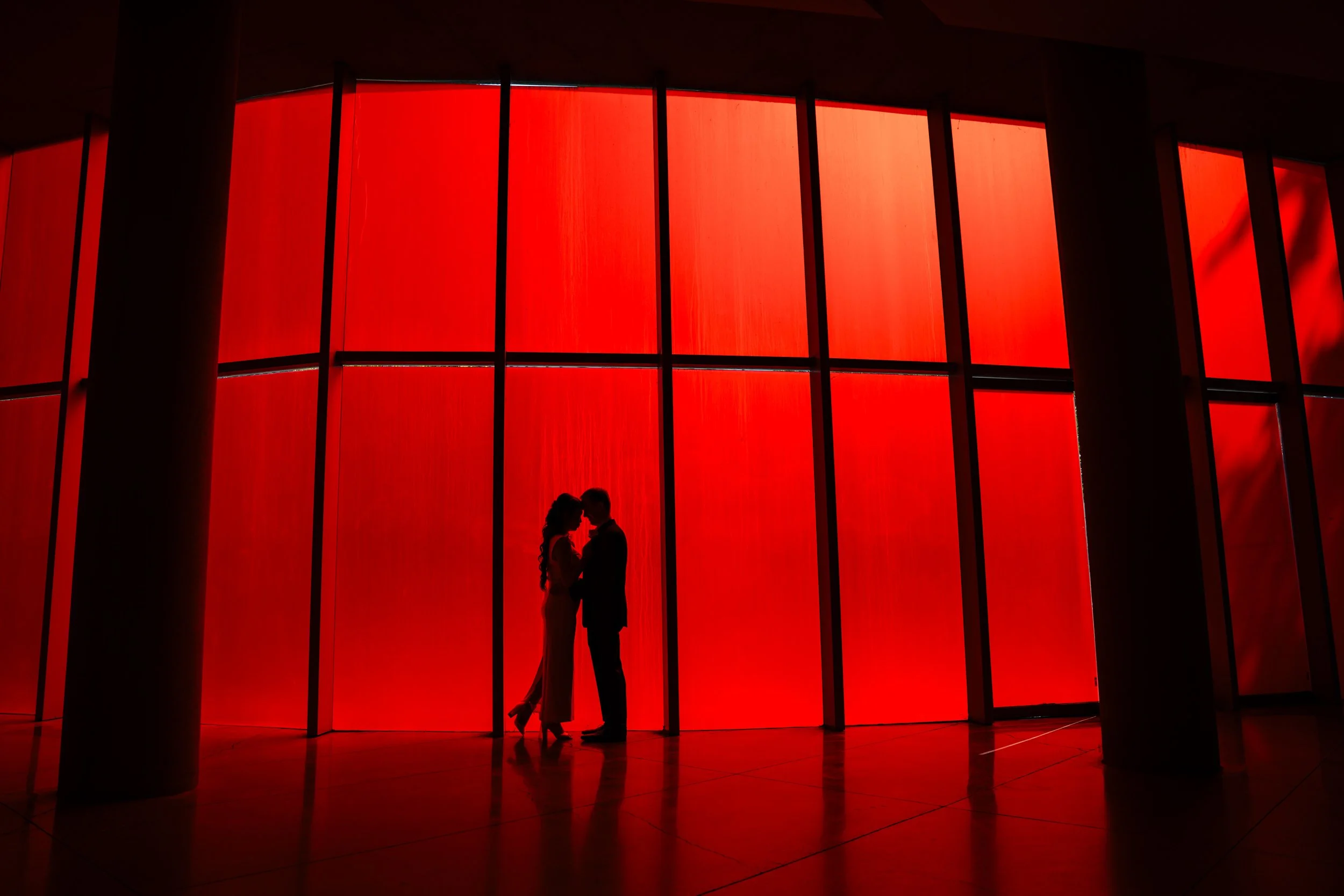
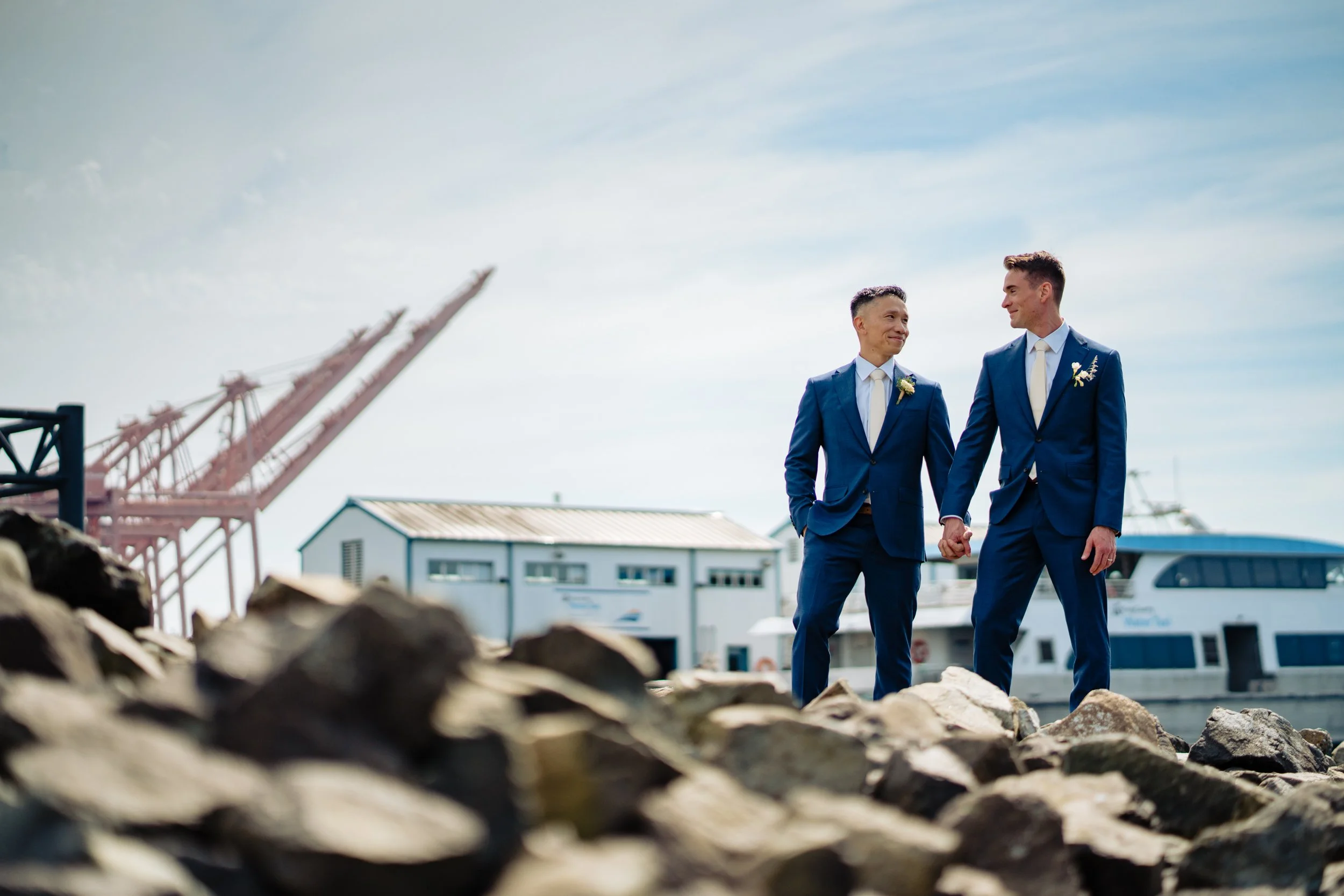
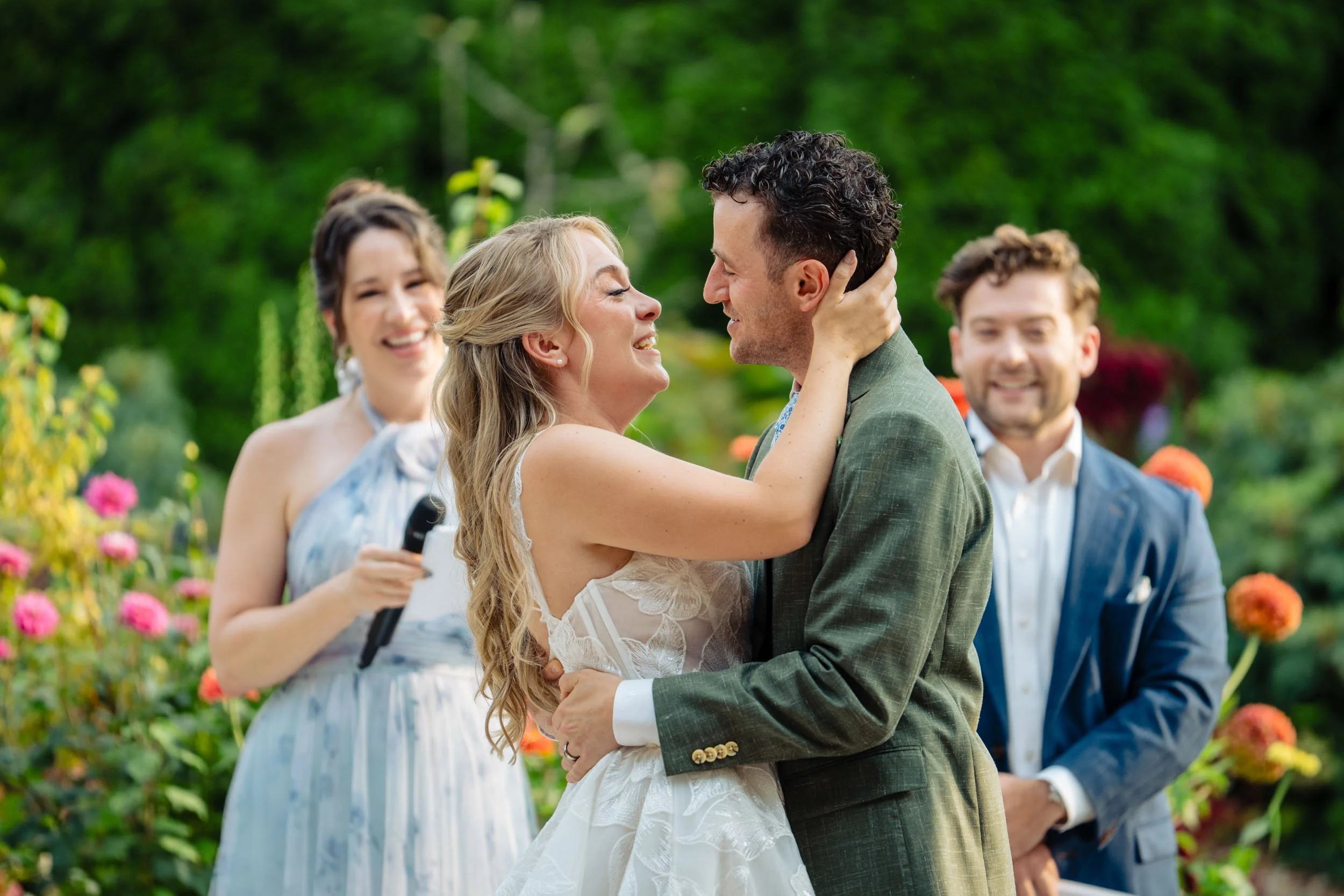
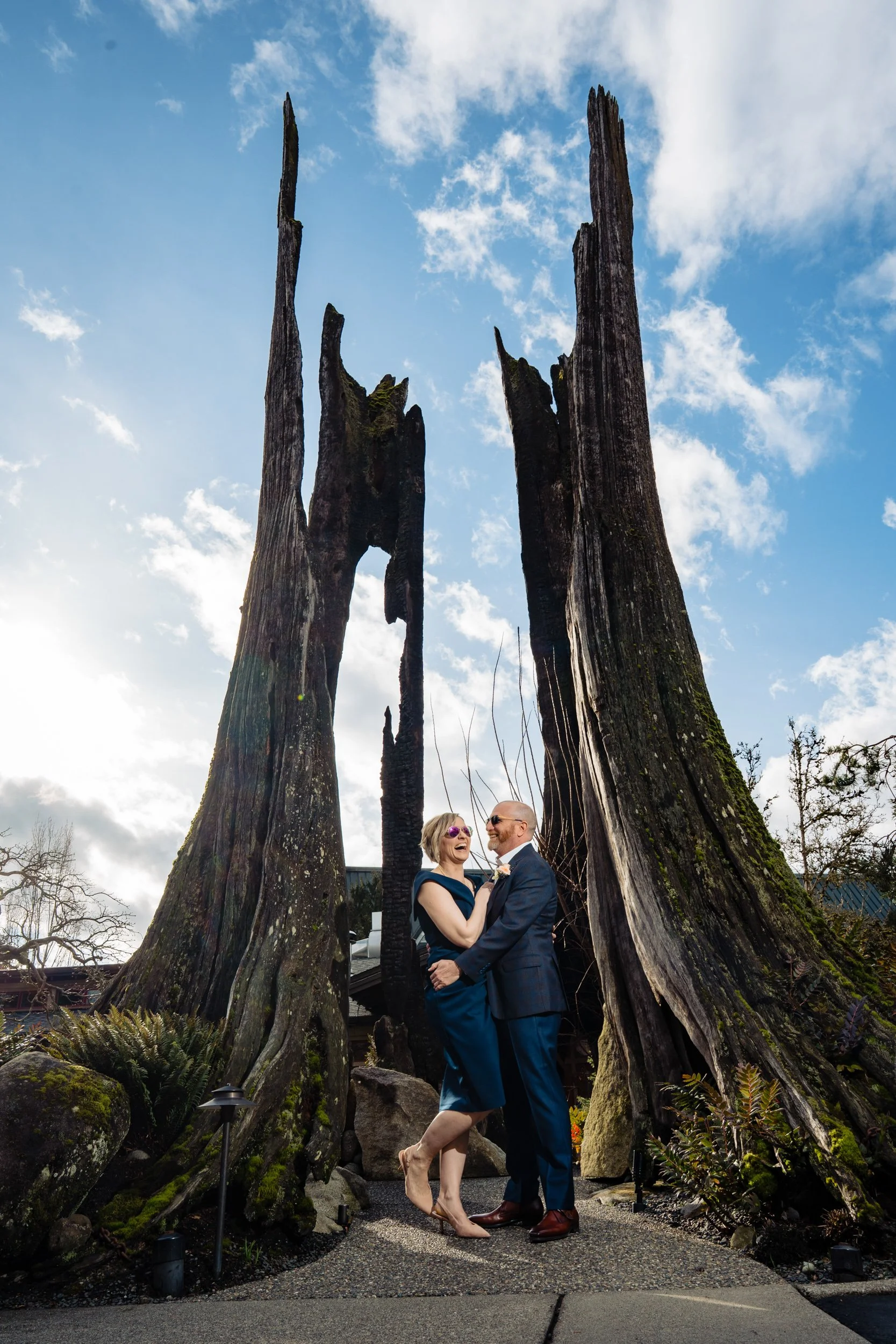
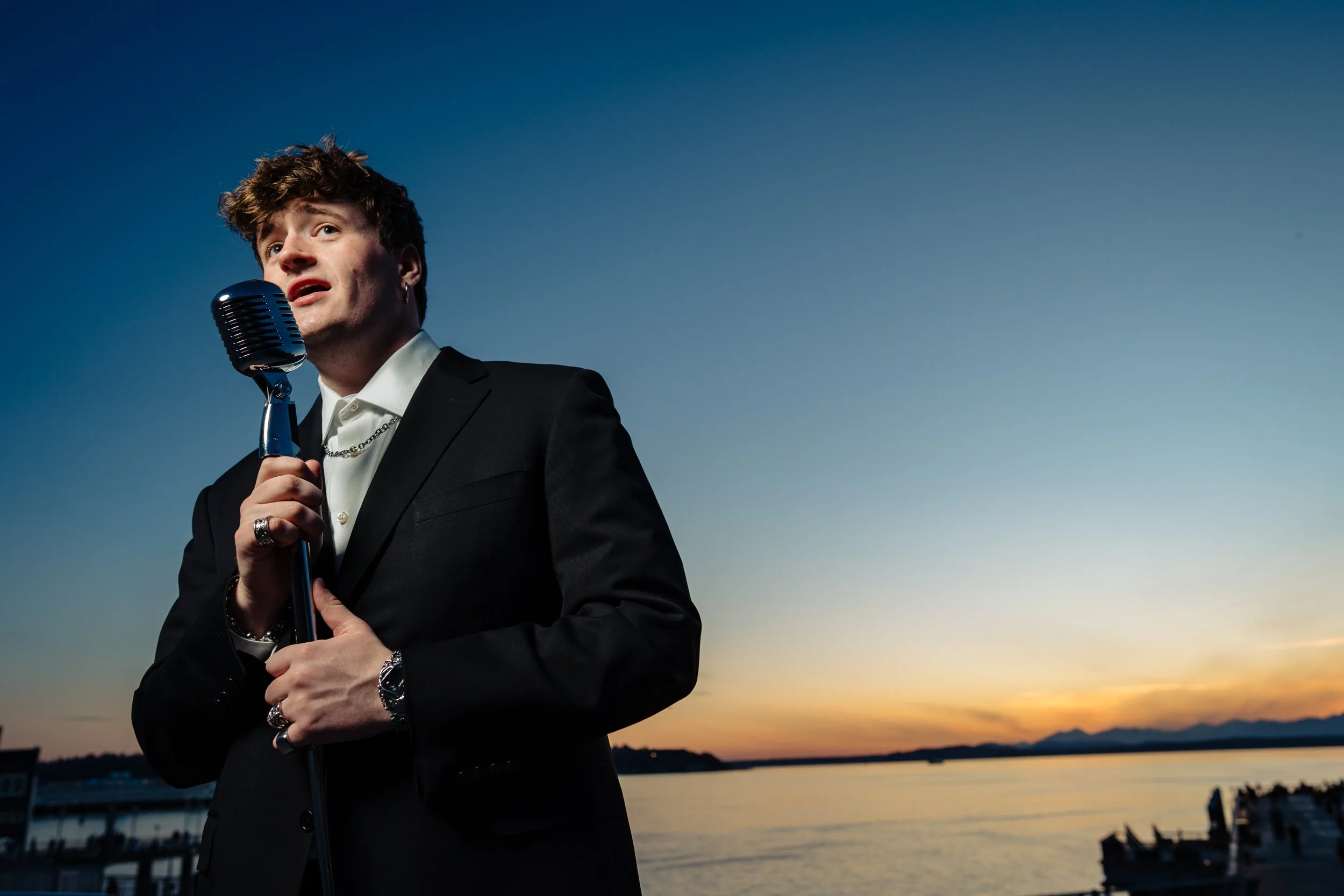
And a random photo…

I recently found out that the Wedding Photography Project has made a list of the top 100 photography blogs! Check it out!
And a random photo…

My favorite lab, ProDPI, is currently offering 1/2 off prints 11×14 and larger printed on Fuji Pearl (Fuji’s answer to Kodak Metallic). It’s only good Thursday and Friday this week (1/10 & 1/11). How cool is that?
We finished our first contest a couple months ago before I (Cory Parris for those of you that don’t know who runs this little side project) got crazy busy running my own photography business. So now, finally, here is the Q&A with the fabulous Ed Pingol.
How did you become a wedding photographer?
I feel like I’m still “becoming” a wedding photographer. I started my trek into photography as a graphic design student in college. As a packaging designer right out of college, product photography became an important skill for me to learn. I got really into creative lighting and my wife and dog got sick of me shooting them at home so I decided to spread the burden to my friends at get-togethers and family functions. Eventually, I ended up meeting a wedding photographer, Carl Spears, who is awesome at lighting and he allowed me to second shoot with him. (My main priority was being able to raise the funds for the new camera gear I was drooling over.) From there, the wedding photography just took off.
What do you love about weddings?
I love how each individual wedding is different, everytime. I’m in awe of the fact that people allow us to share one of the most important days of their lives in a very intimate way. It’s pretty incredible. I do enjoy the adventure of working under a deadline and having to capture all that’s necessary to document a wedding day. I also love trying new cake every weekend. =)
How would you describe your style?
I think we’re still developing a style. If I ever do get a definite style, I want to be able to be adaptable & creative enough to keep things fresh. At this point, I would say our work is inspired. (See question below.)
What is your shooting philosophy?
It’s all about the light! I look for patterns and color. At each shoot, I want to try at least one new thing out. Anything goes!
My wife, Monica, and I work as a team. She is the lighting assistant, as well as the “new shot searcher.” She is constantly looking for the next shot so that once I’m done with a shot, we’re ready to set up the next location/pose. It’s pretty efficient and she has the eye of a female, which helps tremendously.
What is your personality and how does that effect the way you work with the bridal couple working up to and on the day of the wedding?
I’m a goofball so I don’t mind making a fool of myself. Couples will often see me demonstrating poses (flamboyantly) during shoots and realize they would definitely look better than me in those poses. It’s like an ice breaker that eases the nervousness that some couples face when in front of the camera. My wife, Monica, is the organized one, who effectively works with couples and makes sure things run smoothly and all the bases are covered, from the first inquiry to the actual event and the final product delivery.
Tell me about the equipment you use?
* 2- canon 40d .
* 2- canon 30d .
* 2- canon 20d .
* canon 10-22 F/3.5-4.5 USM
* canon 17-55 F/2.8 IS USM
* canon 70-200 F/2.8 IS USM
* sigma 30mm F/1.4 HSM
* canon 50mm F/1.4 USM
* canon 100mm F/2 USM
* canon 135mm F/2 USM
* st-e2 infrared transmitter
* canon 580ex speedlite .
* nikon SB-28 speedlight .
* 32 rayovac 15 minute AA batteries for flashes, remotes and well… that’s it.
* a lot of CF cards
* AlienBee B800 Flash Unit.
* 5 Pocket Wizards.
* Monopod.
What is your favorite piece of equipment and how does it affect they way you shoot?
My pocketwizards & off-camera flashes. I have a set-up that includes 2 speedlights mounted on a flat bracket, triggered by a pocketwizard, on a monopod. This is a super portable light set-up that is very versatile. I can actually “delete” distracting backgrounds and emphasize the subject(s) when I shoot.
I have to say the Boda Bag I won from this contest really changed the way I shoot in being able to be much more efficient carrying 3 cameras, instead of two, plus the rest of my gear.
Do you have any accomplishments or association memberships I should know about? Resources where you/your work have been featured?
I won this contest, which is SWEET!!! =) Also, I’ve been featured on dontboxusin.com and trashthedress.com. I’m a member of WPPI, PPA, DWF, OSP, and FM.
What makes you different (and better) than your competitors?
Ha! I’m not better! I don’t think about having competition, which I believe might set me apart from my competitors. (Is that oxymoronical or what!?!?) But seriously, one thing I wanted to do right from the start in this business is be an open book, network with those I respect, and share/learn new information with others. Mike Fulton of Tri-Coast Photography is the epitome of this as he has a “no secrets” philosophy, which I truly admire. He’s not worried about protecting any “secret technique” and instead focuses on getting better and better. That’s what I want to do. It’s hard to be a good learner if you aren’t willing to share what you’ve already learned.
Things/people that inspire you?
I’m inspired by photographers I respect and those whom I “blogstalk;” by the world of graphic design; by the media (strangely, comic books); by the surrounding environment/architecture; and most importantly, by the individuals I am shooting. Our goal is to represent the couple as who they are and what they are about.
Here are the resources that inspired me to “see the light” in photography and what I recommend to all those who ask how to get their learn on:
Strobist - lighting 101 (a must read, but don’t take it all in one day cause it’s a lot)
Ken Rockwell - how to get great colors
Neil Cowley - making light real
Michael Quack - DIY master
PlanetNeil - techniques for on camera flash
Dave Black - awesome awesome lighting techniques explained
DG28 - learn plenty of techniques
What do you like to do in your spare time?
What spare time!?!
But seriously, I love to shoot random things and family and friends. I love good food & drinks (especially sushi & hefeweizen). I love anything that has motors and green technology. And I like watching musicals. Yeah, I said it!
Where can people find more info about you? Online or Magazine?
http://edpingol.blogspot.com
http://myspace.com/thethinkingcouch

Model: Canon EOS 20D
Lens (mm): 10-22mm ISO: 800 Aperture: 8 Shutter: 1/4
sb-28 triggered by a pocket wizard set at 24mm @ 1/16th on a monopod held camera right (flash twice)

Model: Canon EOS 30D
Lens (mm): 30mm ISO: 1000 Aperture: 1.4 Shutter: 1/180
on-camera flash bounced

Model: Canon EOS 20D
Lens (mm): 10-22mm ISO: 800 Aperture: 19 Shutter: 1/180
sb-28 triggered by a pocket wizard set at 24mm @ 1/8th on a monopod held camera right

Model: Canon EOS 30D
Lens (mm): 17-55mm ISO: 100 Aperture: 13 Shutter: 1/180
sb-28 triggered by a pocket wizard set at 24mm @ 1/1th on a monopod held 5ft behind clients

Model: Canon EOS 30D
Lens (mm): 17-55mm ISO: 1000 Aperture: 9 Shutter: 1/10
st-e2 triggering 580ex held camera right

Model: Canon EOS 20D
Lens (mm): 10-22mm ISO: 800 Aperture: 13 Shutter: 1/180
sb-28 triggered by a pocket wizard set at 24mm @ 1/1th on a monopod held 5ft behind client
The Cool Photo Contest ends tomorrow, July 4. Send in your entries now to be considered for the free Boda Bag!
With all the activities of a wedding day, it is so easy to get caught up shooting situations you have always shot: focusing a narrow vision on what the bride is doing, becoming caught up in getting the safe-shot, and backing up your safe-shot with more safe-shots because you have not yet developed confidence to branch out and try new imagery.
A real enemy to creativity is the all-encompassing dread of missing a safe-shot. I will tell you this; I miss safe-shots at every wedding. I have learned to not worry about it. I know that my overall wedding shoot will thrill the bride and groom and a few missed safe-shots will not be in their minds while looking at the proofs. Because what I have gained by experimentation overpowers a few missed shots.
Instead, why not learn to believe your LCD and recognize the safe-shot is in the bag so you can give yourself time to play! You may only have one minute or less to try a different angle, look for an unusual composition, or just have fun shooting images for you. You may have more time to really study a situation and attack a scene with passion, thus creating more art by increasing the complexity or narrowing down your compositional elements for more elegant simplicity.
This playtime is your playground for enhancing your perception. It is very good to zero in on your subject and capture pure emotion. It is equally good to pull back and heighten your awareness by seeing and feeling what is going on around you. Not just 180 degrees in front and to the side, but 360 degrees and at different locations within an area such as the preparation room for the wedding party.

Let’s take a nice hotel bridal suite layout; the bride is in the open door bathroom putting on makeup; the bridesmaids are getting ready in front of the mirrors located around the main room. What type of lighting do you have? How does the natural light play on room and subjects? How does the tungsten light mix with the natural light? How do the lines of the room interact with the subjects? What is in the way of compositions and what will enhance them? These are perceptions you can nail down in one minute. Really! The tendency is to go directly to the subjects and start shooting actions without taking a moment to see all. I actually ask (months before the wedding day) my brides to put on makeup and get their hair done by natural light windows. They say yes, but sometimes brides forget. I have been known to ask if the bride will step out of the tungsten light bathroom and into the natural light. But before I ask this, I walk into the bathroom and see if there are other compositional elements that help equal out my desire for nice natural light windows. I may perceive that the mirrors, reflective surfaces, angles and lines in the bathroom give me more room for creative play.

Now with any room there may be a limited amount of natural light. How do you see what is there very quickly and utilize it to the best of your knowledge? I have a method that works: walk into the room, squint your eyes so all the complexity of the room fades away to nothing but darks and lights. Open your eyes wide and go to the light. Stand next to the light or in it, and then look for your intended subjects. Now first, see if this natural light can be used as a line, a pointer, or a guide to your subjects for a creative image. Then back off and perceive how the light can be used in an overall composition. Now that you have the natural light in a room dialed-in, get your first safe-shot (often using the natural light) and utilize your time between safe-shots to be artistic.
Let’s go outside! There is such a mass of natural elements and architecture that it can be overwhelming. Learning to be perceptive enough to isolate the composition into images with powerful stories can be daunting. How do you make compositional sense of it all?
How do you avoid visual chaos?
Isolate, isolate…isolate! Isolate on the compositional elements that convey a strong sense of the wedding story, of its emotional elements, and of the wedding location. Include only the subjects that blend well with the natural environment or help tell the story.
Learning to understand how you isolate is a perceptive ability needed outdoors.
There can be too much natural light now. Go back to my trick of squinting your eyes, but this time look for the darker areas. Now change your angle of view or move the subject into the darker areas. Then use light angles to highlight your subject. Very cool! The quality and direction of light has been one of the most important aspects of perception since cameras were invented. Learn your light angles: sidelight and backlight.
Yet the concept of quality of light may have played too large a part with many wedding photographers before us. You are given only what the weather and bride timeline allows. Part of being perceptive is how you change and flow with what really happens at your wedding, hour after hour. Finding the perfect quality of light will often elude you. Best to make use of the harsh-light, the bad-light, the poor-quality light, and then pull out all the stops of perception by working these types of light to your advantage. It’s all in your head! Make something cool happen if it is not happening. Being perceptive about what your camera can do other than Priority-mode will give you tools of exposure to counteract the bad-light. My advice - practice daily until you are comfortable with Aperture Priority mode and Manual mode. Be the Alfa-dog of your camera! Don’t let it make all the decisions!
“Spin the dial and experiment”

Here is something to think about: shooting horizontal images outside is harder than shooting vertically. Why? Deadspace! Understanding deadspace is the ultimate in being perceptive. Lines outside run more often vertically. Trees and architecture often have many more vertical lines than horizontal in the outdoors. Trees create lines to help guide you to your subjects more easily through the viewfinder. Deadspace is easier to find pointing your camera up to the sky or down to the ground when you are shooting vertically. Deadspace, I am defining, is a place in the composition that has very little or no elements: generally a block of color: sky, wall, flat ground or consistent patterns. Good deadspace enhances the subjects or leads your eye to the subjects. Bad deadspace leads you away from your subjects or detracts from the overall composition. So shooting good deadspace in a horizontal format outside is not easy. There are so many elements that intrude on your search for good deadspace to enhance your subjects. Deadspace it just one more perceptive ability you should have in your arsenal of artistic ideas to try out at every wedding.
Here is something else about shooting horizontally: including the intended subject is easy and normal (but you run the risk of bad deadspace): including another subject or subjects into the frame to help tell the whole story is difficult. Using one subject to lead into another to help you understand the action of the story is a perceptive ability you will need. Too many subjects causing a complex composition that does not enhance the story, is something to avoid. To tell the more elegant story, isolate only the subject(s) needed with a less complicated background eliminating any unnecessary deadspace. Why? We are going explore that now.
Did I say deadspace was hard to learn? Well, there is a harder one: depth! Seeing what is in front and to the back of the subject is very important. Knowing how the background / foreground will effect the look of the subject in a composition is very important. The shades of dark and light, lines, and the complexity of the background / foreground elements can make or break an image. Color can add depth. It also can detract from the subject. B&W can flatten depth, but can enhance the subject, making it easier for you to focus on the emotional elements of the subject-story. I believe each image should be viewed for these concepts of depth in post-processing before committing to b&w. To make things more complicated: color can enhance the subject and converting to b&w may totally lose your subject in a sea of pattern and light. Perception during post-processing is also very important and can be learned with practice. I suggest posting images on professional wedding forums and asking detailed questions about depth and your use of color or b&w on the same image.
Knowing what to include and not include in your composition, behind, to the side, and in the front of your subject is all about understanding depth.
This is all starting to really get interesting!!
Obviously lines are very important to me! How you perceive lines and how they interact with your subjects can bring an ordinary composition into the realm of art. Lines are amazing pointers. They add depth to an image. They will help your eye follow through to your subject and add interest when looking at a print. Well, of course you can just fill the frame with just your subject, but wouldn’t it be so very boring if all your shots did this? The wedding day is your canvas to paint, why not use all those brushes, paints, and tools you spent good money on to create your own stylized form of art!
Here is a fun way of finding lines: fill the frame with your subject, now step back or zoom out and search for lines through the viewfinder that lead into the subject. Look all around including the ground. This helps narrow the field of view, yet helps isolate a line or two that can help your composition.

Let’s break a common rule: hypothetical Rule # 201 – do not put your subject in the dead center of the composition. Well, let’s break the heck out of that rule! If you are lucky enough to find a ton of converging lines, change your angle or put the subject in the center of all those converging lines, then shift your viewfinder to bring the subject into the center. Now all the lines point to the center of the composition and to your subject for a dramatic image. I find it fun to look for this, but hard to make it all happen successfully: which is exactly why I try!
“If the lines will not come to you, go to them - use them to search out your subject with your viewfinder.”
It is often good to see your wedding world with 16mm and 200mm eyes. I find it better to start each wedding location within the wedding day seeing in 16mm (the whole story and field of view). Then narrow your imagery down to 200mm to isolate subjects and pull-in emotion. The range of millimeters between are fine, yet I find going a little more extreme with my focal lengths can create very dynamic imagery.
Another way to become more aware happens before the wedding day as you surf the web looking for photographer websites and wedding images that impress you. I find I learn new tricks of understanding perception all the time. I don’t think I will top-out on my learning these concepts. Someone always helps me to see and go to new places with my imagery. Take a look at this site; www.admiredbybeckstead.com I have taken the above paragraph to the extreme. Enjoy!
This is getting long! Other words to investigate with regard to increasing your perception have to do with naming compositional elements and what you do with them, such as; shape, form, organize, order, design, texture, color, pattern, mood, emotion, interpretation, abstraction, contrast, latitude, interesting complexity, arranging picture elements and many more.
Learning perceptive abilities comes from within! Just copying other photographers’ abilities is a sure sign of stagnation. You should be excited to develop new levels of awareness at weddings on your own. Your imagery will improve dramatically by increasing your perceptive abilities. Just being able to see the light will crank your images to a new level of artistic creativity.
My final advice:
Never believe you have finally made it to the highest level of awareness!! (It doesn’t exist!!)
Use your sensory input to increase the creativity of your art.
Keep shooting! Never let your minute between safe-shots go to waste!!!
Take risks with your exposure. Think of risk as a good word!
Experiment!
See the light. Capture the light. Bend the light. Be the light.
It’s all fun! It’s all good!!
David Beckstead lives out-in-the-middle-of-nowhere, NE Washington. David mixes his passion for art and travel to run a destination wedding photography business. He attributes his success to the internet, pro forums such as the DWF, digital cameras, seminars and WPPI (Oh and also creating a overall brand and style that is different and cool! Let’s make that the #1 reason for success!). Kassandra, his wife and business partner, shares his passions. Together they have successfully mixed their lifestyle with their business. Beckstead is truly a nowhere / everywhere man!!
![]()
David is teaching at Live in London for the DWF Jan. 12-13, 2007.
In Las Vegas for the DWF and WPPI conventions in March of 2007.
You can find David on the web at www.davidbeckstead.com. Also visit his website of amazing photography at www.admiredbybeckstead.com.
Here’s the skinny. This will eventually be a site that will feature fantastic photographers and an article written by each one. What’s the purpose? To make every wedding photographer that views these articles better, to shorten the learning curve, and to raise the level of art being created by wedding photographers around the world. It’s a lofty goal, but why not?

Powered by WordPress